OTO MAYUMI × Flehmann: When Two Stories Meet
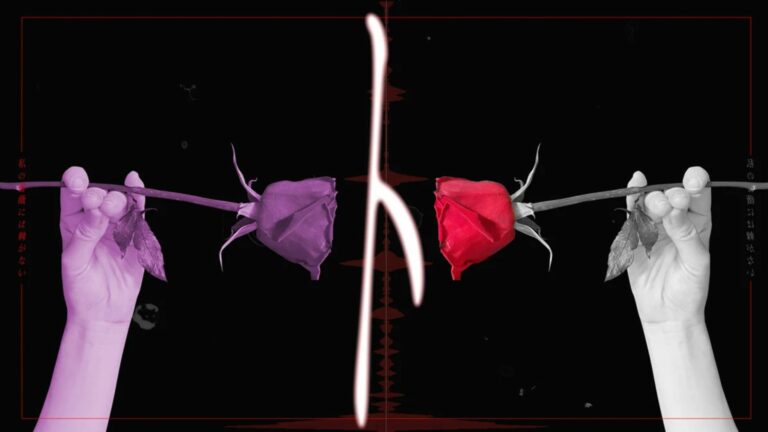
Two months after OTO MAYUMI and Flehmann released Watashi no Bara ni wa Toge ga Nai, their collaboration reveals what an independent music outlet can make possible.

Two months after OTO MAYUMI and Flehmann released Watashi no Bara ni wa Toge ga Nai, their collaboration reveals what an independent music outlet can make possible.
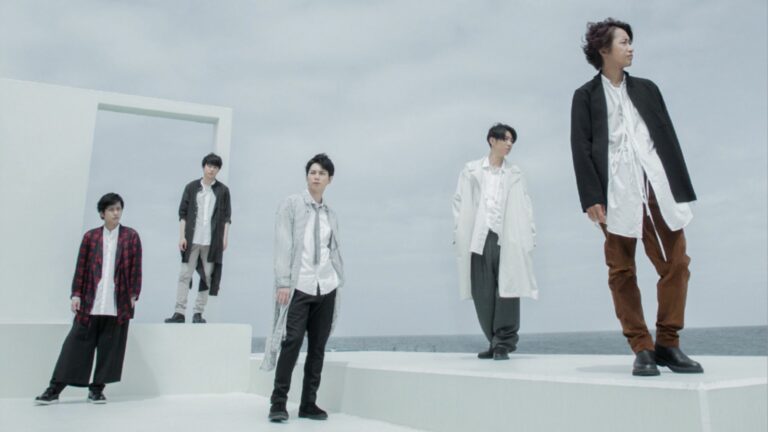
Released after Rio 2016 had ended, Arashi’s “Power of the Paradise” shows how Nippon TV could turn a pop song into the memory of a national event.

International listeners spent years discovering Haruomi Hosono through old records. Yours Sincerely lets them meet his music at the moment it is made.

Masaharu Fukuyama surrounds Chōshinsei with 30 years of re-recorded, remixed and remastered songs. “The Latest Is the Greatest” is now a claim for listeners to test.

Released on September 9, 1996 after missing its planned summer date, “Nagisa” reached number one for Spitz and kept travelling through commercials, broadcasts, covers and one battered VHS.
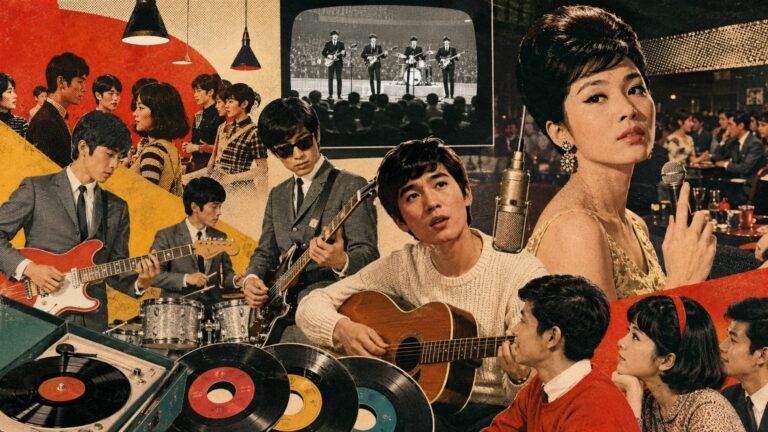
The Beatles’ Budokan concerts came to symbolize Japan’s musical revolution in 1966. Yet several futures were already taking shape when they arrived in Tokyo.

Ten years ago, HKT48 built fan calls into “Saikō ka yo” and handed Hana Matsuoka her first center. The single became the group’s eighth consecutive number one.

From globe and Namie Amuro to Fishmans, LAMP EYE and enka, these 100 singles map the year Japan’s CD boom reached full force—and its musical future broke through.

55 RED arrives today with 55 BLACK RETURNS. Maki Ohguro completes a two-album project conceived at 55 as her 35th-anniversary campaign begins.

Rock, hip-hop, metal, idols or enka: why are so many different kinds of music gathered under J-POP — and why did J-POP streaming choose it over J-music?"
focus_keyphrase: "What is J-POP?

In early 2024, OTO MAYUMI spoke to J-POP streaming about Good and Bad Shades, her love of 1990s J-rock and the producer who helped her find the right sound.