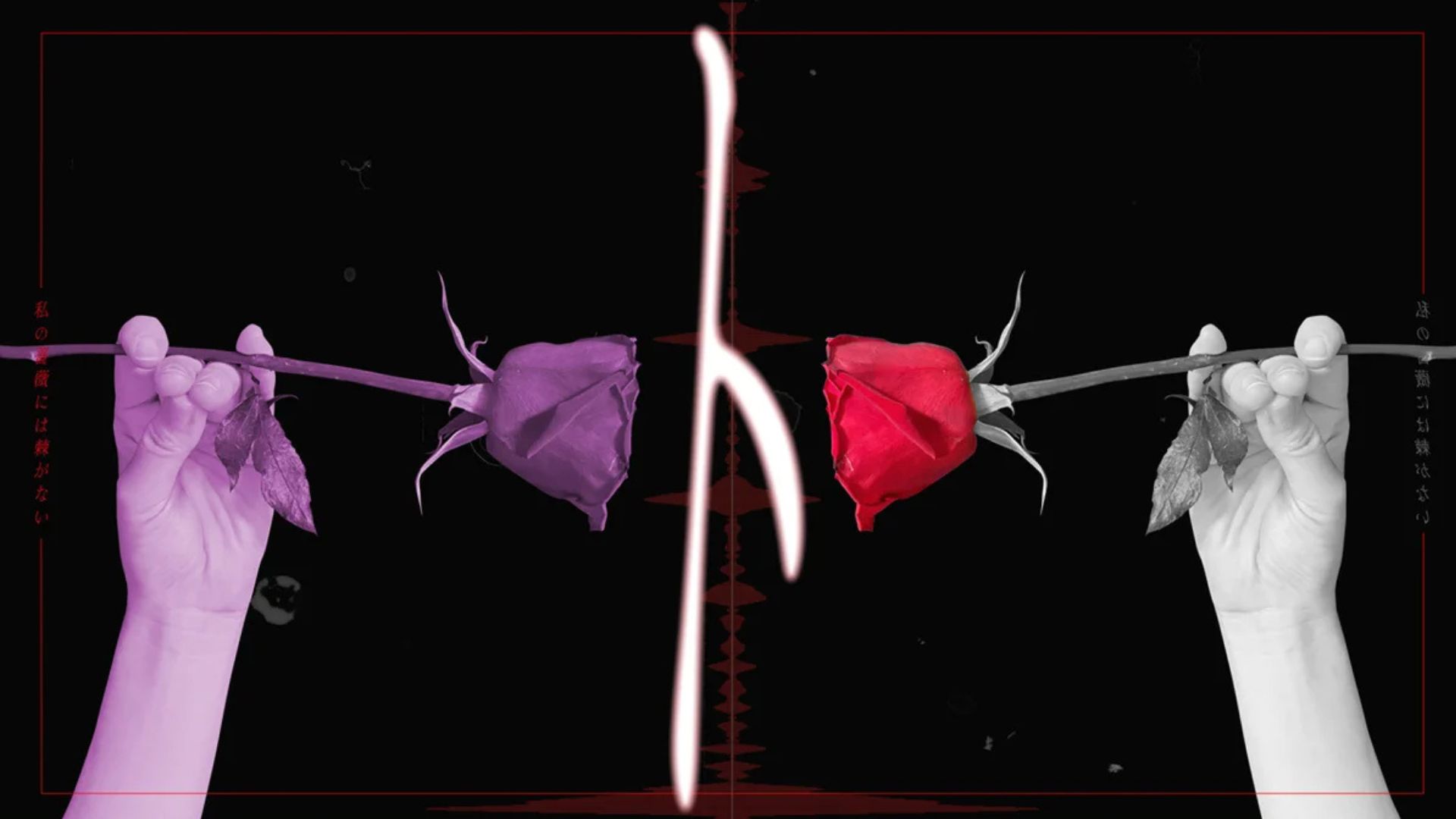

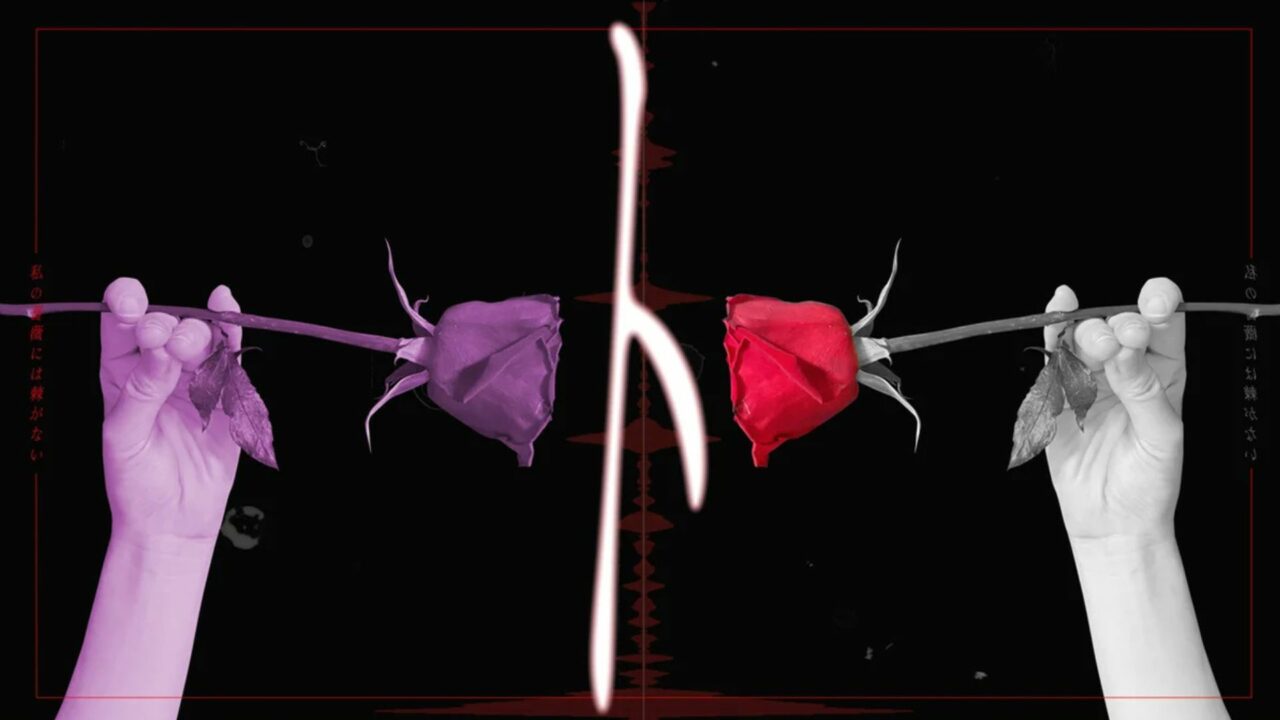
On July 15, 2026, Flehmann and OTO MAYUMI released 私の薔薇には棘がない (Watashi no Bara ni wa Toge ga Nai, “My Rose Has No Thorns”). Flehmann composed the track. Mayumi wrote the lyrics and sang it. Two artists whose work had already passed through J-POP streaming were now sharing the same release.
I was happy for both of them. Then Mayumi told me something I had not known.
“In fact, I discovered him through your X account!”
That sentence changed the meaning of the song for me.
I had interviewed OTO MAYUMI after discovering an Italian-Japanese singer-songwriter living in Rome and choosing to build her music around J-rock. Later, I interviewed Flehmann, a Japanese composer and trackmaker whose electronic work moves between instrumentals, free BGM and collaborations with vocalists.
They were separate stories. At least, that was how I understood them.
Somewhere between an interview, a playlist and the posts shared through J-POP streaming, Mayumi found Flehmann. She listened. They got to know each other. Eventually, he composed a song that she would write and sing.
J-POP streaming did not arrange the collaboration. There was no introduction, commission or carefully designed networking opportunity. I shared the work of an artist because I believed it deserved attention. The right person happened to be paying attention.
The part of music media that numbers cannot see
It is easy to measure a playlist by its followers, an article by its page views and a post by its reactions. None of those figures would have shown what was happening here.
One artist had found another.
Most discoveries lead to an added song, a new follow or a name kept somewhere in memory. This one continued until two people made something together. The result lasts two minutes and thirteen seconds. It has a title, lyrics, a voice and a release date.
That matters more to me than claiming a large but anonymous reach.
Algorithms introduce artists to listeners every day. They are built to recognise proximity: people who enjoyed this may also enjoy that. An independent music outlet can follow a less predictable path. Its selections come from listening, curiosity and the decision to place one particular artist in front of people who might otherwise never encounter them.
Sometimes that choice reaches another musician.
The contribution made by J-POP streaming remains small. Flehmann and Mayumi recognised what they could create together. They developed the song and did the work. Their names belong on it.
My role came earlier. I noticed. I listened. I shared.
Without Mayumi’s message, I might never have known that it had led anywhere.
Two months later
September 15 is not a grand anniversary. Watashi no Bara ni wa Toge ga Nai is only two months old. That small distance is enough to look back at the route behind it without pretending to know what place the song will hold in either artist’s career.
It also arrives while J-POP streaming is defining again what kind of media it wants to be.
The answer cannot be another feed reproducing every Japanese music announcement. It cannot depend on famous names carrying all the attention. OTO MAYUMI and Flehmann belong to different countries, scenes and musical environments, yet both deserved to be approached with the same seriousness given to established artists.
Their collaboration gives that editorial position a practical meaning. Covering independent music is not an act of charity performed on the margins of the “real” industry. It allows artists and listeners to find work that established channels may never place in front of them.
Usually, I will never know what follows an article, an interview or a playlist selection. Someone listens on the way home. Someone remembers a name. Someone sends a link to a friend. The trail disappears.
This time, Mayumi told me where it went.
When I first shared Flehmann’s music, I was doing the ordinary work of J-POP streaming: listening, choosing and passing something on.
Mayumi was listening too.