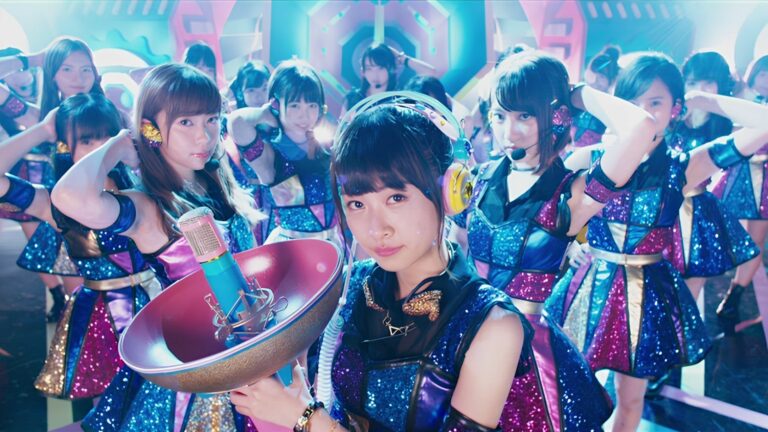

My first memory of 「渚」 (Nagisa) does not come from the radio or a スピッツ (Spitz) CD. The song was playing in a Glico commercial, somewhere before or during a Japanese episode of Dragon Ball GT. The VHS had passed from hand to hand, been copied more than once and eventually found its way into my VCR. The picture was already fading. The song stayed.
Before streaming, Japanese music travelled like this too. No title, no translation, sometimes not even the name of the band. It appeared between the images we had come looking for. I had recorded Dragon Ball GT. The commercial became part of the cargo.
From July 7 to September 9
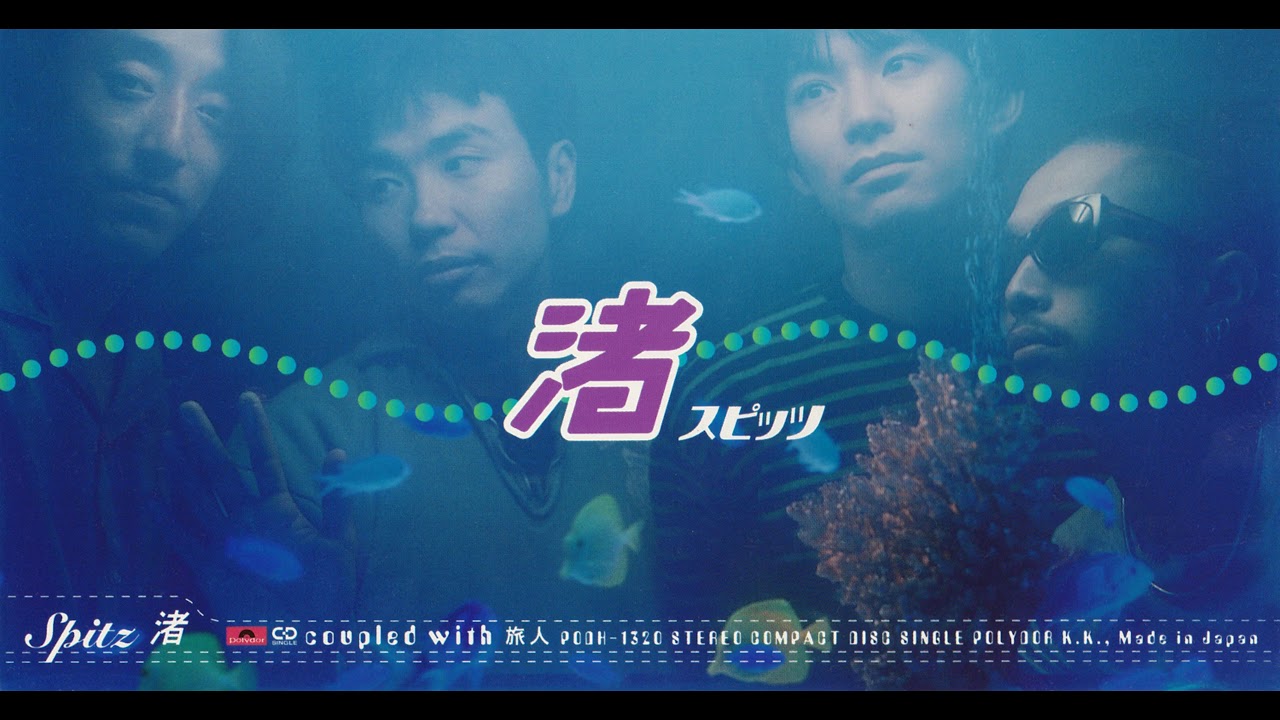
Nagisa was initially scheduled for July 7, 1996. Its working title was 七夕 (Tanabata), after the festival celebrated that day in Japan. The release was postponed. On September 9, it became Spitz’s fourteenth single.
The heat had not necessarily left Japan, but the holidays were over and the days were growing shorter. A song prepared for Tanabata reached listeners when summer had already begun to recede.
A short electronic loop opens the track before the drums, bass and guitar gather around 草野マサムネ (Masamune Kusano)’s voice. Nagisa is bright, quick and immediately recognisable as Spitz.
Spitz in 1996
Nagisa arrived during one of the most important runs in the band’s career. 「ロビンソン」 (Robinson) had become a major long-selling hit in 1995. 「チェリー」 (Cherry) followed on April 10, 1996. Between them, the older 「空も飛べるはず」 (Sora mo Toberu Hazu) had returned to the charts after being chosen as the theme song for the Fuji TV drama Hakusen Nagashi.
Nagisa continued that run. It reached number one on the Oricon singles chart and remained ranked for seventeen weeks. On October 23, it joined Cherry on Spitz’s seventh album, インディゴ地平線 (Indigo Chiheisen). The album’s release also opened a seventy-date tour lasting until May 1997.
Nagisa was not a curiosity squeezed between better-known songs. It was part of the sequence that turned Spitz’s breakthrough into lasting success.
Twenty-one years later
The song had first accompanied Glico’s Pocky commercials. In 2017, it received the Gold Medal at the inaugural NexTone Award, twenty-one years after its release.
In his official comment, Kusano thanked the commercials, broadcasts and cover versions that continued to give older songs a new life. Their survival encouraged Spitz to keep making new music.
I had heard Nagisa through exactly that kind of detour. I was not looking for Spitz. I was waiting for an anime episode to resume while a copied VHS slowly wore itself out.
Thirty years after its release, give Nagisa another listen. Somewhere between a Glico commercial and the static of an old videotape, the summer of 1996 is still there.
Sources
- Spitz — official Nagisa discography
- Spitz — official biography
- Spitz — official Indigo Chiheisen discography
- Oricon — Nagisa chart history and Glico Pocky tie-in
- Spitz — NexTone Award 2017
- Toei Animation — Dragon Ball GT
- This is…POP?! — retrospective account of the working title and postponed release