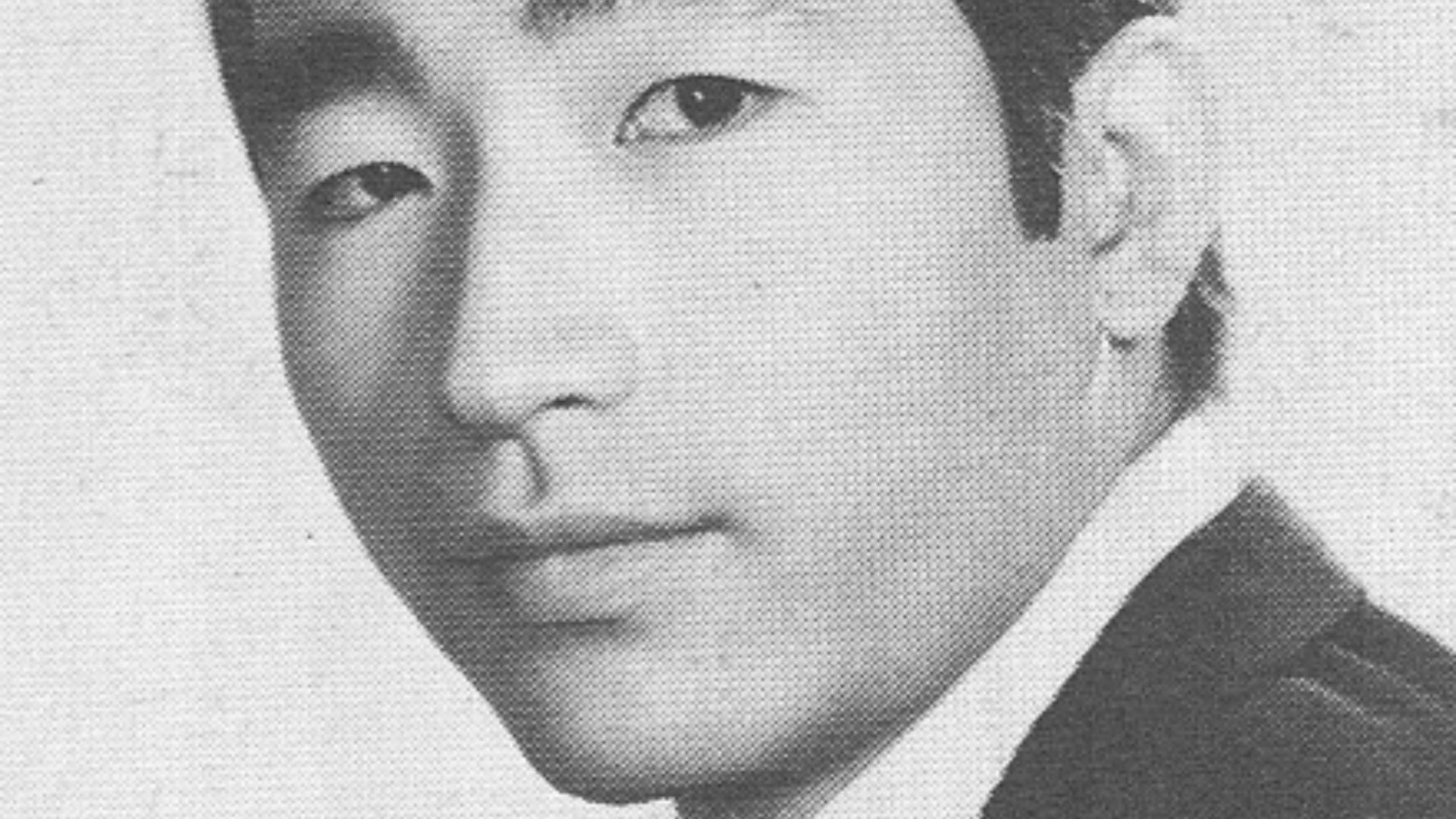

An acoustic guitar gently marks the beat. A few strings open up the space. At the centre, 荒木一郎 (Ichiro Araki) sings close to the words, without forcing the emotion or reaching for a grand performance. The melody moves forward with disarming simplicity. Less than three minutes later, it stays with you.
空に星があるように (Sora ni Hoshi ga Aru Yō ni) was released on September 5, 1966. Exactly sixty years ago. The recording belongs to its time, of course, but the song asks for no indulgence because of its age. It still walks into the room without knocking.
A debut single that sold 600,000 copies
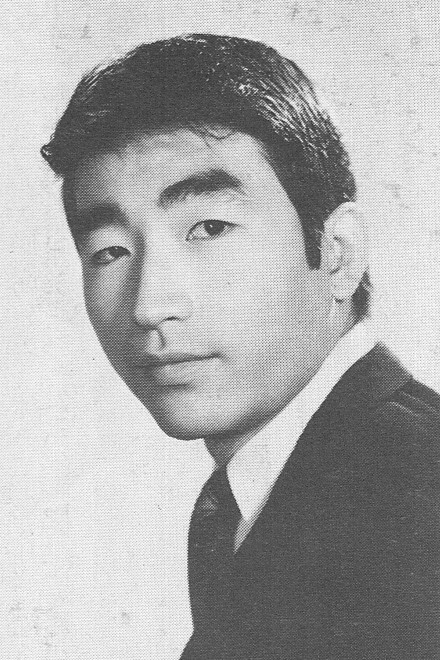
Araki was 22. He is now 82. He was already an actor, wrote his own songs and hosted a short programme on Tokai Radio entitled 星に唄おう (Hoshi ni Utaō). He talked and performed his own compositions. Sora ni Hoshi ga Aru Yō ni was its theme song.
The response to the programme led Victor to release the track. Araki wrote both the lyrics and music, while Eiichiro Ebihara handled the arrangement. It sold more than 600,000 copies. Only a few months into his recording career, Araki received the New Artist Award at the eighth Japan Record Awards.
Yet its success was not built on spectacle. The song rests on its melody, the steady movement of the guitar and a way of singing that still sounds like someone speaking directly to the listener. The lyrics evoke a lost dream and the changing seasons. They extend the music without weighing it down.
Before Japan said “singer-songwriter”
Ichiro Araki did not invent the Japanese singer-songwriter on his own. Yūzō Kayama was already writing his own songs, sometimes under the name Kosaku Dan. Mike Maki was part of folk music’s new rise. Around them, Group Sounds was preparing to shake up stages and screens.
The dominant industry model still gave everyone a clearly defined role: a lyricist wrote, a composer composed, an arranger shaped the music and a singer performed it. Araki arrived with his own songs, his acting experience, his voice and his own relationship with the audience. Victor described him at the time as “a singer who performs his own works.” The term singer-songwriter would become familiar later. The figure was already there.
His debut album, Aru Wakamono no Uta, followed in 1966 with twelve original compositions. The next year, Itoshi no Max carried him towards a livelier kind of pop and earned him a place on the Kōhaku Uta Gassen. Around the same time, Nagisa Ōshima cast him in the leading role of 日本春歌考 (Nihon Shunka-kō). Popular singer one night, actor in radical cinema the next: Araki was never going to be easy to classify.
A career with many entrances
His name does not evoke the same memory for every generation in Japan. Some immediately hear Sora ni Hoshi ga Aru Yō ni or Itoshi no Max. Film enthusiasts remember his distinctive presence in Nagisa Ōshima’s films. Others recognise MIDNIGHT BLUES, his theme song for the second half of Ashita no Joe 2 in 1981.
Then there are the songs he wrote for other performers, his production work, his novels and a very serious passion for magic, a subject to which he devoted several books. In 2022, at the age of 78, Araki published an autobiographical novel of more than 500 pages. He gave it the title of his debut song: Sora ni Hoshi ga Aru Yō ni. An entire life had found its way back beneath those few notes.
The song continued its journey. Ryoko Moriyama performed it on stage in the 1970s. BEGIN released it as a single in 1997. Hanaregumi selected it for the 2013 covers album Dareso Kareso. Each version gives it a different colour without needing to rescue it from the past.
The original is now available on Spotify. Start there. A guitar, a few strings and the voice of a 22-year-old. In 1966, the term “singer-songwriter” was not yet widely used in Japan. But Araki already embodied the idea.
Sources: Japan Composers’ Association · Victor Entertainment · Shōgakukan · Nippon Columbia · BEGIN / Imperial Records · Hanaregumi · Listen on Spotify