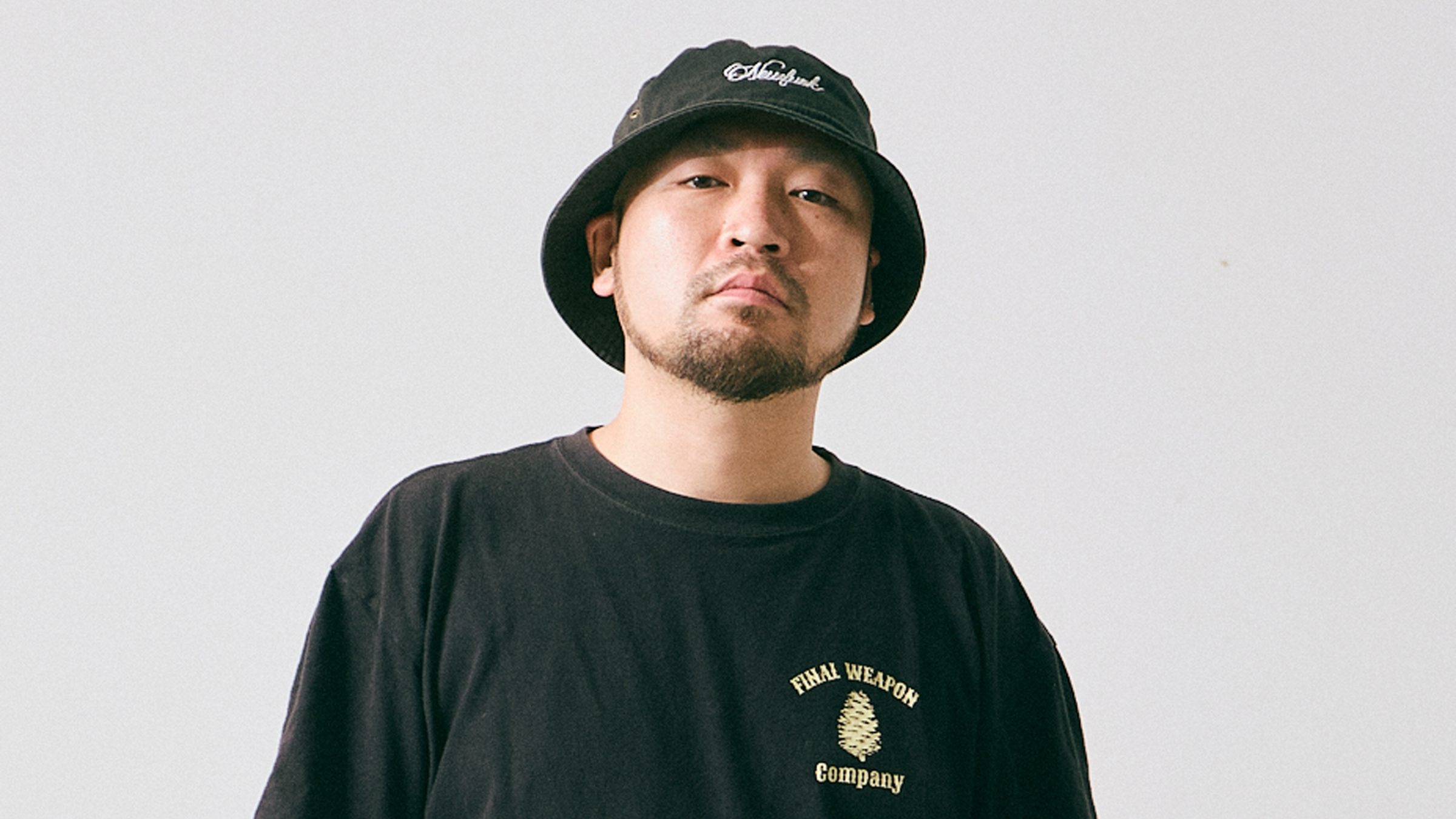

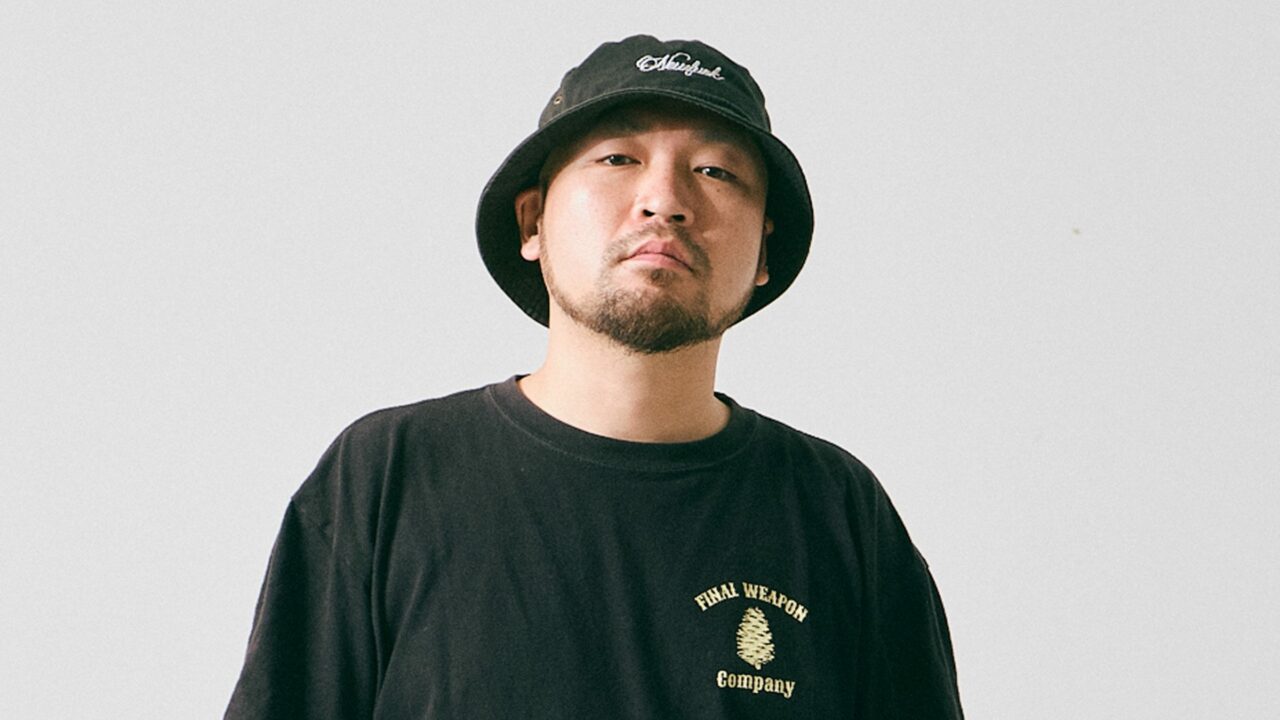
At four in the morning, before sunrise, TORAUMA was already in a kitchen in Aomori preparing meals for around forty people.
He was working as a cook in a care facility. And while he cooked, he wrote lyrics.
That was 2017. It was also the period in which “pink elephant” was born.
Released in a new version on August 19, 2026, the song returns to a time when TORAUMA had moved back to Aomori after living in the Tokyo area and was trying to rebuild some kind of everyday life. The original was recorded at M.S.W in Aomori while both he and the engineer were still finding their way. The 2026 version was recorded at DGH in Okinawa, with particular attention paid to making his words easier to hear.
Those nine years contain most of the story.
Born in Towada, Aomori, TORAUMA eventually moved through the Tokyo area, returned north, then drove to Okinawa after being invited there by MAVEL and HANG. His 2020 digital release « 椿 » (Tsubaki), first uploaded to SoundCloud years earlier, found a much larger audience in 2023 after gaining traction on TikTok and reached No. 1 on Billboard Japan’s Heatseekers Songs chart.
But when we spoke to him, TORAUMA did not describe that delayed success as vindication.
He talked about kitchens before dawn. Old lyrics that still embarrass him. The way Aomori, Tokyo and Okinawa each taught him something different about rap. The strange loneliness of scrolling through social media while surrounded by people. And what he would tell the exhausted version of himself who wrote “pink elephant” nine years ago.
“I was thinking about lyrics in the kitchen before sunrise”
J-POP streaming: “pink elephant” was written in 2017, during a difficult period after you returned to Aomori from Tokyo. Looking back, what do you remember most clearly about the person you were at that time?
TORAUMA: I was working as a cook at a care facility. I have a very strong memory of going to work at four in the morning and preparing food for around forty people by myself.
I would work in the kitchen before sunrise while thinking about lyrics.
Nine years later, why did you decide that this was the right moment to return to “pink elephant”? Was there anything in the original version that you wanted to approach differently now?
The concept of my solo show was to look back at the past and create a bridge toward the future, so I decided to remake some older songs that had never been released.
“pink elephant” was originally made at M.S.W studio in Aomori. The engineer had only just started working at the time, so the two of us were really feeling our way through the process together.
This version was recorded at DGH in Okinawa. This time, I tried to make the lyrics easier to understand than they were in the original recording.
When you revisit lyrics written by your younger self, do they still feel completely like your own words? Or can they sometimes feel as though somebody else wrote them?
What I thought when I was younger is different from what I think now, but I believe those old thoughts are connected to who I am today.
Even when the flows embarrass me or the words feel immature, I still feel that they are my words.
Sometimes the energy of my younger self is so high that it actually makes me straighten up a little.
You described “pink elephant” through the image of looking at a photograph where you are surrounded by people and smiling, while actually sitting alone. Has the way you experience loneliness changed since 2017?
It has changed 180 degrees.
Now I live in an environment where I can easily meet musicians from my own generation, so it is completely different from back then. I struggle with loneliness much less now.
But if I were alone again, I think I would probably start wanting whatever I did not have.
And even when I am surrounded by many people, when I am on social media I still feel alone.
Aomori, Tokyo and Okinawa
Your journey has taken you from Aomori to the Tokyo area, back to Aomori, and eventually to Okinawa. How much does the place where you live affect the way you write and the way you understand yourself as an artist?
I think where you live is a very important part of rap.
Tokyo is a huge city, and I used to think there could be no better environment for learning about the street.
But every city has its own street culture, even if the colors are different.
Aomori taught me quietness and something earthy.
In Okinawa, I am learning how to loosen up and how to turn my soul inside out.
“Tsubaki” reached a much larger audience years after it was created. What was it like to see an older song being discovered as something new by so many people?
I was very happy that the thoughts of my younger self were being accepted.
I often make songs when I am struggling with something, so if those conflicts from that time can become a new source of strength for listeners, there is nothing more rewarding for me as a rapper.
Did the experience of “Tsubaki” change the way you think about time in music? Do you think a song can sometimes wait years before finding its listeners?
My way of thinking about time has not really changed.
I have always wanted to make music that does not depend on trends and that can remain unchanged.
Even after experiencing what happened with “Tsubaki,” I never felt like, “Finally, people recognized me,” or that I had endured for years waiting for this moment.
I was simply grateful.
I believe that music containing part of my soul will eventually find the listeners it is meant to meet.
“Hip-hop is the reason I am alive”
Japanese hip-hop is reaching more listeners overseas, although much of the scene is still unfamiliar outside Japan. What would you like someone discovering your music from abroad to understand about you and where your music comes from?
I am a very negative person, and I turn my worries and inner conflicts into songs.
Maybe what I do is different from the original form of hip-hop, but hip-hop is the reason I am alive.
I think music is the strength to live.
With love from Japan.
Still Walking includes shows in Aomori and Okinawa, two places that have played important roles in your life. Does performing in those cities carry a different meaning for you?
Aomori is where I was born and raised, and Okinawa is where I live now, so I feel both reassurance and anxiety about performing there.
Of course I want to deliver a great show, but more than anything I want to communicate gratitude and enjoyment.
I would be very happy if the people around me came to the solo shows, and it would be amazing if these concerts also created new connections with listeners.
If you could spend a few minutes talking to the TORAUMA who wrote “pink elephant” in 2017, knowing everything that has happened since, what would you tell him?
Good work!
You should absolutely go to Okinawa.
Also, you are genuinely terrible at managing money, so when you meet your future manager, hand everything over to him immediately!
There will also be a period where you work five days a week at a place that opens at midnight and closes whenever it feels like closing. So far, that was the hardest period of my life, so prepare yourself.
But you will also be able to make a lot of music there, so never forget to be grateful to the people around you.
You are going to feature on a CHOUJI album too.
Keep going!
Keep walking
That answer probably says more about TORAUMA than a neat career summary ever could.
There is no grand speech to his younger self. He tells him to go to Okinawa, stop trying to manage his own money, survive a brutal job, make music and remember the people who helped him along the way.
“pink elephant” has changed because the person performing it has changed. The loneliness that shaped the song is no longer his everyday reality. Aomori now sits beside Okinawa in his life. A song he made years ago can suddenly meet millions of listeners. An exhausted cook writing lyrics before sunrise can eventually stand at the center of his own solo shows.
The old words remain his.
That matters.
“pink elephant” is available now on streaming platforms, while TORAUMA’s catalog offers plenty of ways to continue from there. Start with « 椿 » (Tsubaki), then follow the road through Sternbergia, Blue frost, Violet Traveler and the music he has continued to build from Okinawa.
And then come back to “pink elephant.”
Nine years later, it has finally had time to answer itself.